

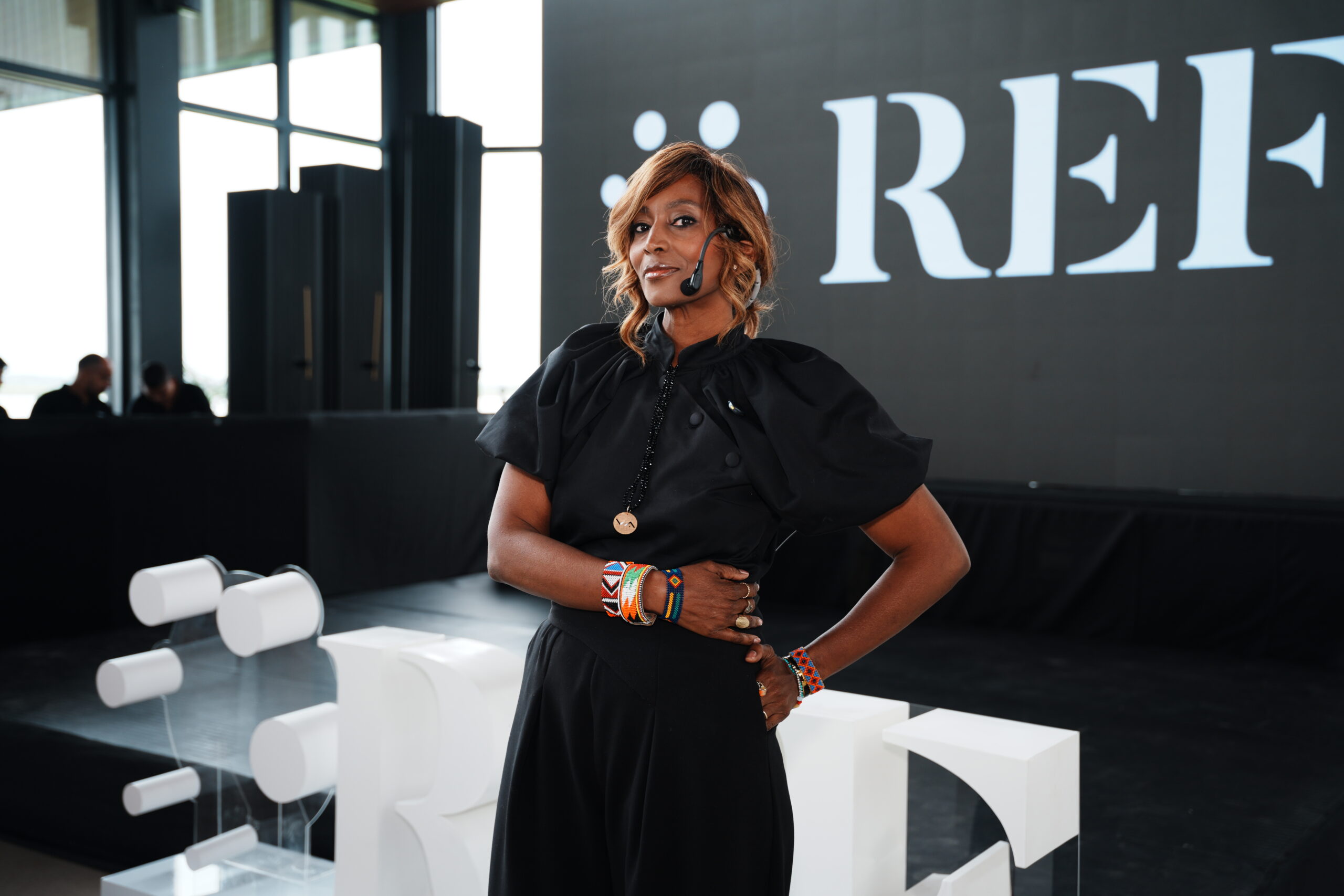
As a child, I was an expert at going unnoticed.
I remember watching my classmates hand out birthday invitations while I waited for one that never came. I was the girl who could miss an entire day of school and barely anyone would notice.
As the years went by, that feeling only grew. In university, I spoke softly, almost apologizing for taking up space. I lived a strange paradox: I was impossible to ignore visually — I was the only Black person in every room I walked into — yet my presence felt entirely inconsequential. People saw me. But they didn’t really see me.
I’m not sharing this to earn your sympathy. I’m sharing it because the fear I felt as a little girl is the exact same fear I see playing out, in far more sophisticated ways, in the people who run organizations and lead teams.
It changes shape. But it’s the same fear.
The Fear No One Names When They’re in Power
We give it other names. We call it prudence. Perfectionism. “I’d rather wait until I have more information.” “This isn’t the right moment to put that message out there.” “I’ll speak up once I have something more concrete to say.”
These are sophisticated excuses for the same underlying problem: the fear that your voice doesn’t matter.
And when the people with the most experience and the sharpest judgment keep waiting for the perfect moment to speak, the important conversations get taken over by those with far fewer reservations about being seen.
The Day I Stopped Apologizing for Taking Up Space
There came a point when I’d had enough.
It wasn’t a dramatic turning point. There was no inspiring speech or life-changing book. It was a quiet decision — made in silence — to stop asking permission to exist.
I started speaking up, literally and figuratively. I shared my ideas, my background, my perspective. And something unexpected happened: people started listening.
The irony isn’t lost on me. The little girl who believed she was irrelevant ended up speaking in front of thousands of people across four continents. Today I’m invited to events around the world — when as a child, I wasn’t even invited to birthday parties.
I say that without bitterness. I say it because I came to understand something that changed the way I work with organizations: you can only help others heal what you’ve already worked through yourself.
Visibility Isn’t Vanity. It’s Responsibility.
Here’s the conversation we need to have — the one very few people are willing to say out loud:
Your visibility isn’t about you. It’s about the impact you stop generating the moment you choose to stay silent.
Every time someone with real judgment fails to take a position in an important conversation, someone with less judgment fills that void. Every time a person with genuine experience waits for the perfect moment to share their perspective, someone else gets to write the narrative of their industry.
Personal visibility has nothing to do with self-promotion. It’s the way your knowledge, your judgment, and your vision translate into real influence — inside and outside your organization.
And influence, when used well, is what builds a legacy.
What Invisibility Taught Me
The fear of being invisible doesn’t go away when you reach a certain level. It just gets more refined. It hides behind packed schedules, behind perfectionism dressed up as standards, behind the false modesty that says “I don’t want to come across as someone who seeks the spotlight.”
But something does shift when you decide to face it: you stop settling for the space you’re given and start building the space you deserve.
Being visible carries a personal power that only means something if you never lose sight of where you came from. Authenticity isn’t where visibility begins — it’s what makes it last.
And in business, that makes all the difference.
Bisila Bokoko
