

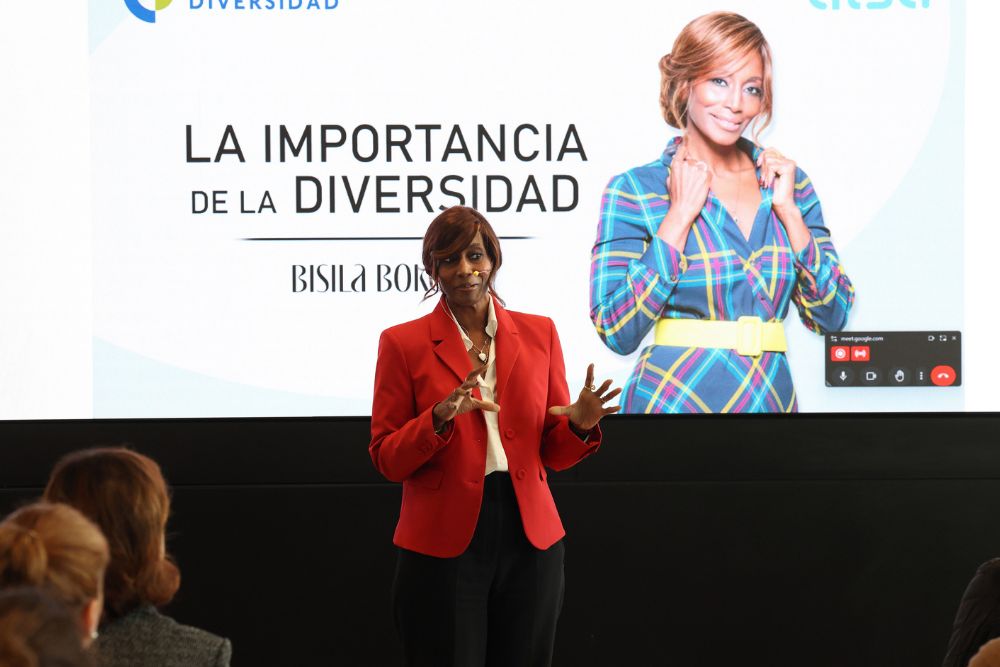
Today, the ability to tell stories and understand different cultures is key to building authentic connections. Cultural intelligence and storytelling intelligence are powerful tools that allow us to navigate diverse environments, communicate with empathy, and enhance our personal and professional impact.
The Importance of Cultural Intelligence
Cultural intelligence is the ability to interact effectively with people from different backgrounds, and it helps us interpret gestures, values, and communication styles that may differ from our own. In a multicultural environment, those who develop this intelligence can build stronger relationships and leverage diversity as a strategic asset.
Since I was a child, I grew up surrounded by stories that connected me to my African roots. My family, especially my parents and grandparents, used stories to transmit values and teachings. This experience showed me that cultural knowledge and identity are essential for effective communication and leadership.
Storytelling Intelligence: Telling Stories with Purpose
Storytelling intelligence goes beyond simply telling stories; it involves understanding the impact our narratives can have, structuring them in ways that influence others, and most importantly, using them with a clear purpose: to inspire, educate, and generate action.
It’s not enough to just share experiences; one must do so with intention and focus. To develop this skill, it’s necessary to practice, make mistakes, and learn from them. In fact, I’d like to share a moment from my life that perfectly reflects this learning process.
At the age of 15, during a celebration of the Equatorial Guinean community in Valencia, I was asked to recite a poem about the Virgin of Bisila, a sacred figure in Equatorial Guinea.
The story was about a mother who, in times of famine, managed to feed and strengthen her entire community with only one breast. I stepped onto the stage with confidence, but when I saw the audience, I felt the pressure of not failing. My mind went blank, and no matter how much I looked at my family and the audience, I couldn’t remember a single word. I froze, and embarrassed, I ran off the stage.
That moment of blockage became engraved in my memory, and it made me avoid speaking in public for years. However, over time I realized that this experience wasn’t just a moment of shame; it was a lesson in overcoming challenges. It was by facing my stage fright that I discovered the true power of stories to transform lives.
Storytelling as a Tool for Cultural Connection
From my experience, I can assure you that stories have a transformative power. In addition to helping us connect with others, they also allow us to share knowledge and build bridges between cultures.
Each and every one of us has something valuable to share. Even the stories that once brought us shame or sadness can become stories of triumph.
If you have a business or are working on developing your personal brand, remember that marketing is no longer just about the product; it’s about the stories you share. As Seth Godin wisely said: “Marketing is no longer about the product or what you do, it’s about the stories you tell.”
Why Should You Develop Cultural Intelligence and Storytelling Intelligence?
Because, as humans, we usually don’t connect with products or services, but with the emotions they evoke in us.
A story told with authenticity has the power to cross borders and create a genuine bond with the listener, because what really makes an impact is the ability to evoke emotions.
If you manage to make your message culturally resonate and touch sensitive chords within the appropriate context, you’ll be creating a connection that can become deeply meaningful.
A powerful storytelling, intentionally constructed, leaves a mark and transforms how people remember you. Because it’s not about being the best; it’s about being authentic and culturally relevant.
Dare to Tell Your Story with Cultural Awareness
Don’t be afraid to share your experiences, whether they are joyful or sad. Every story has a lesson and a positive part that can inspire others.
Storytelling is not a passing trend; it is an ancient practice that has accompanied us since the beginning of humanity.
Developing your cultural intelligence and storytelling intelligence will allow you to connect with diverse audiences, communicate with impact, and leave a lasting footprint in the world.
So, use your voice and remember: You, too, have a story to tell!
Once again, I want to thank you for taking the time to read this article and reflect on the power of stories and the importance of connecting. Let me your comments through my social networks @bisilabokoko.
With Love,
Bisila Bokoko
